.svg)
Reflexiones del Think Tank del IE-BM en Roca Madrid Gallery
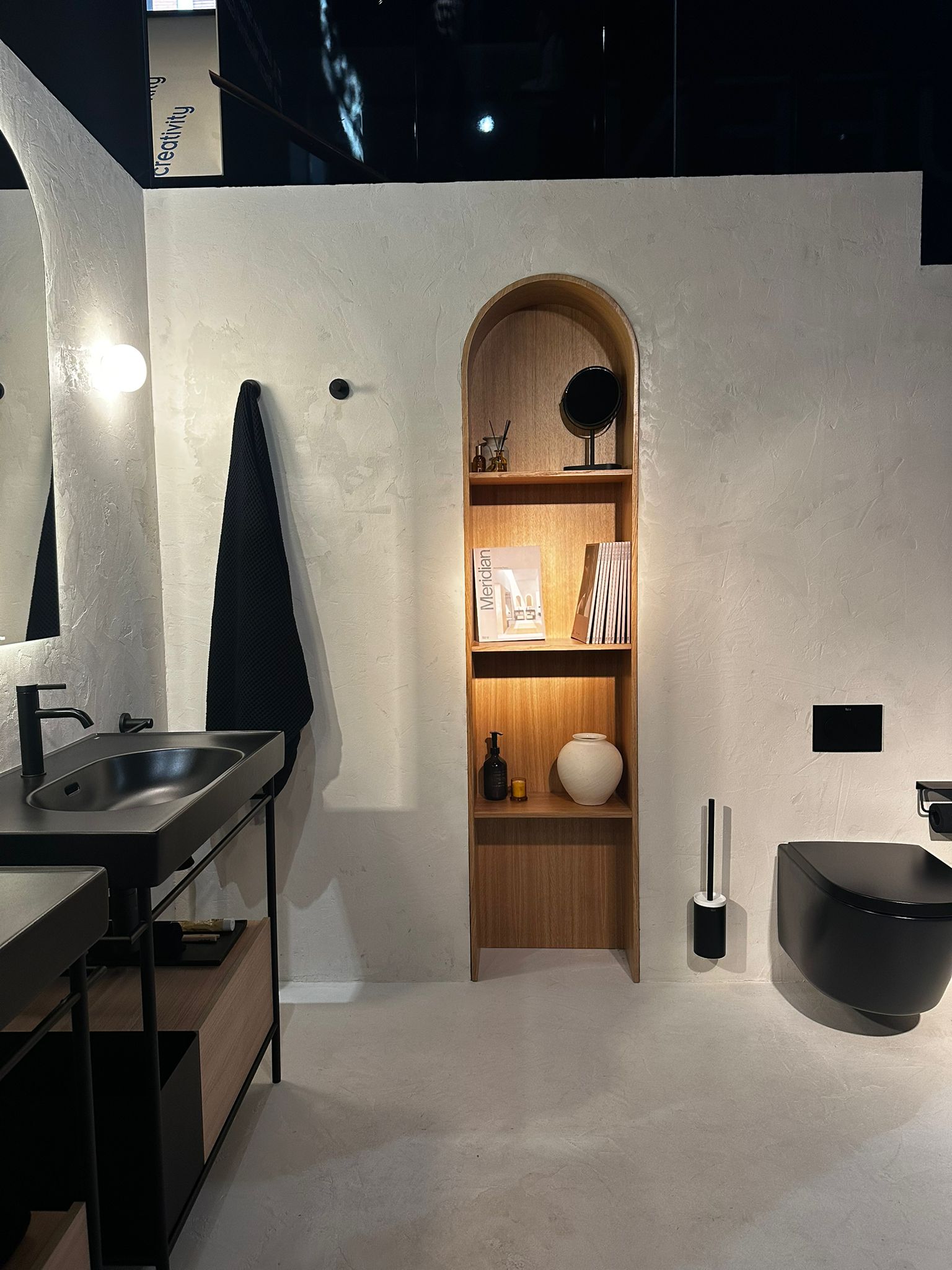
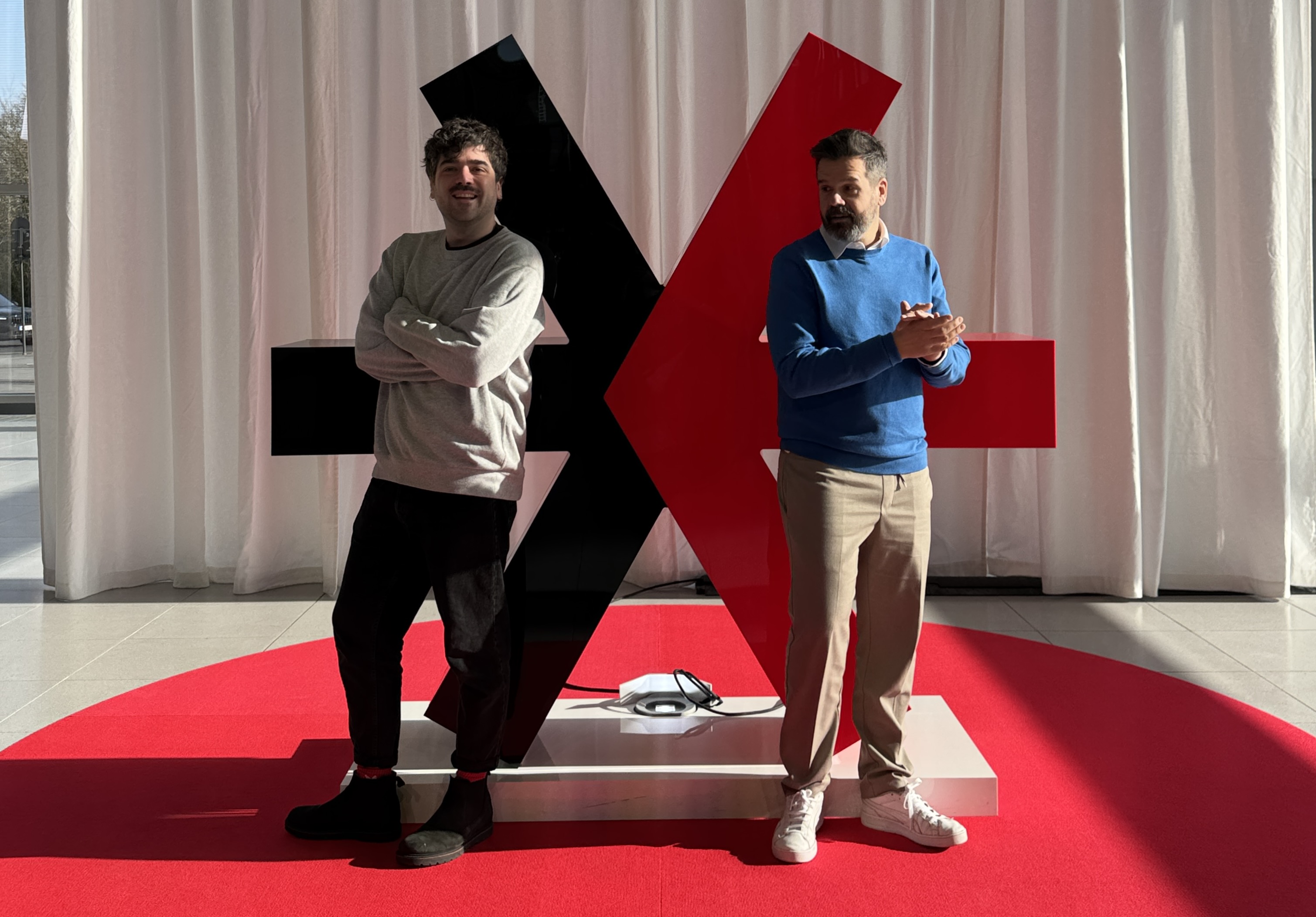
Denis Agnelli Bento y Julia Corrius asistieron al IE-BM Think Tank #24 — Megatendencias 2026, que tuvo lugar en la Galería Roca Madrid de Madrid.
La sesión reunió a líderes de la arquitectura, la tecnología, el sector inmobiliario y el mundo académico para discutir una cuestión central: ¿qué es lo que realmente está cambiando en el entorno construido y cómo deberían adaptarse las ciudades y el sector inmobiliario?
La discusión incluyó ideas de:
- Ángela Baldellou, directora-gerente del COAM y arquitecta detrás de Impulsora Madrid 2050
- Alfredo Carrión García, socio asociado de IA, datos y tecnologías emergentes de KPMG España
- Susana Rodríguez, directora comercial y jefa de vivienda de Savills
- Cristina Mateo, vicedecana de IE School of Architecture & Design
- Jorge Ponce Dawson, director de práctica y director global de ventas minoristas en Broadway Malyan
Juntos, exploraron los cambios emergentes que configuran las ciudades y el sector inmobiliario a través de tres perspectivas clave: la tecnología, la sociedad y el capital.
Del producto a la experiencia
Un tema recurrente a lo largo de la sesión fue la transformación del sector inmobiliario de una industria centrada en el producto a un ecosistema impulsado por la experiencia.
Hoy en día, los espacios ya no se valoran solo por sus atributos físicos o su ubicación. Cada vez más, su valor radica en cómo las personas los experimentan: cómo se sienten, interactúan, trabajan, aprenden y viven dentro de ellos.
Este cambio está remodelando las prioridades de los arquitectos, desarrolladores e inversores por igual. Según una investigación reciente citada durante la sesión, más del 70% de los consumidores ahora priorizan la experiencia por encima del precio, lo que empuja al sector inmobiliario a replantearse la forma en que se conciben y distribuyen los espacios.
Tecnología: de la innovación a la creación de valor
La tecnología, en particular la inteligencia artificial y el análisis de datos avanzado, está transformando rápidamente la forma en que se diseña y administra el entorno construido.
Sin embargo, como destacó Alfredo Carrión de KPMG, el verdadero desafío no es simplemente adoptar nuevas tecnologías, sino obtener un valor real de ellas.
Las organizaciones deben ir más allá de la experimentación y plantearse preguntas más profundas:
¿Qué estrategia existe en torno a la IA y los datos?
¿Qué tecnologías generan realmente valor?
¿Cómo se pueden medir las experiencias cualitativas junto con las métricas cuantitativas?
Cada vez más, la integración del análisis de las opiniones de los usuarios, los datos de comportamiento y el valor de la vida útil de los clientes ayuda a las organizaciones a comprender las dimensiones intangibles que dan forma a la forma en que las personas experimentan los espacios.
Sociedad: Diseñar para cambiar estilos de vida
El cambio social es otro motor importante de la transformación.
Las ciudades de hoy deben responder a los estilos de vida cambiantes moldeados por el envejecimiento de la población, el trabajo remoto y las expectativas cambiantes de la vida urbana. En España, aproximadamente el 15% de los trabajadores a nivel nacional y hasta el 25% en Madrid ahora trabajan de forma remota, lo que altera radicalmente la forma en que las personas interactúan con las oficinas, los barrios y los espacios públicos.
Como enfatizó Ángela Baldellou del COAM, la arquitectura debe responder no solo a los requisitos funcionales sino también a las realidades sociales y a la experiencia humana.
Los espacios deben ser más flexibles, adaptables y receptivos a las personas que los utilizan. Las ciudades se construyen para durar décadas, pero las sociedades evolucionan mucho más rápido, lo que plantea un desafío fundamental: ¿cómo pueden los entornos construidos seguir siendo relevantes a medida que cambian los estilos de vida?
Capital: hacia dónde se mueve la inversión
Desde la perspectiva de la inversión, los cambios estructurales también están remodelando el panorama inmobiliario.
Susana Rodríguez, de Savills, destacó la importante rotación del capital, alejándose de las clases de activos tradicionales, como los centros comerciales y los espacios de oficinas convencionales, hacia modelos más flexibles y resilientes, que incluyen:
- Vivienda residencial y flexible
- Centros de datos
- Alojamiento para estudiantes
Estas clases de activos comparten varias características: una fuerte demanda estructural, una oferta limitada y resistencia a los ciclos económicos.
Al mismo tiempo, los inversores reconocen cada vez más que el valor intangible de la experiencia puede influir significativamente en las métricas de rendimiento, como las tasas de ocupación, la velocidad de comercialización y la lealtad de los clientes.
Medición del valor intangible de las ciudades
Uno de los debates más interesantes se centró en las cualidades intangibles que hacen que las ciudades sean atractivas.
¿Por qué ciertas ciudades atraen talento, inversión y turismo? ¿Qué elementos de la experiencia urbana, la luz solar, el espacio público, la transitabilidad y la interacción social crean valor a largo plazo?
A medida que la tecnología y las capacidades de datos evolucionan, las nuevas herramientas analíticas permiten a las organizaciones medir aspectos de la experiencia que antes se consideraban imposibles de cuantificar.
Comprender e invertir en estas dimensiones intangibles puede convertirse en una ventaja competitiva crítica tanto para las ciudades como para los desarrolladores.
Mirando hacia el futuro
El Think Tank concluyó con una reflexión compartida: es imposible predecir el futuro con precisión, pero entender las fuerzas que ya están configurando el cambio es esencial.
En lo que respecta a la tecnología, la sociedad y el capital, un tema estaba claro: la flexibilidad definirá la próxima generación de ciudades y espacios.
Las organizaciones que puedan combinar datos, diseño centrado en el ser humano y estrategias de adaptación estarán mejor posicionadas para crear entornos que sigan siendo relevantes, no solo hoy, sino también en las próximas décadas.
Para Mormedi, conversaciones como estas refuerzan la importancia de diseñar sistemas, servicios y espacios que sean tecnológicamente avanzados y profundamente centrados en el ser humano.
.jpeg)
.jpeg)



Vamos a crecer ¡juntos!
¿Tiene preguntas sobre su próximo gran paso?
Mormedi tiene respuestas.